29 October 2026
Author: Carla Robb
How can digital twins move beyond promising demonstrations and become practical tools for spatial and mobility design and decision-making?
The fourth XCARCITY Design Session was hosted at Connekt in Delft, bringing together researchers, practitioners and public-sector partners to explore how Federated Digital Twins can support real-world decisions in the Amsterdam Zuidas and Rotterdam M4H use cases. A special thanks to Connekt for generously hosting us and providing a great setting for another collaborative XCARCITY session.
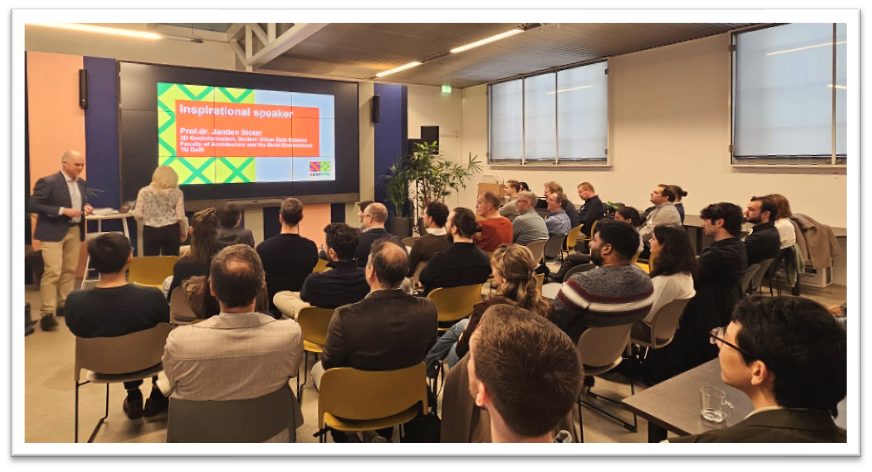
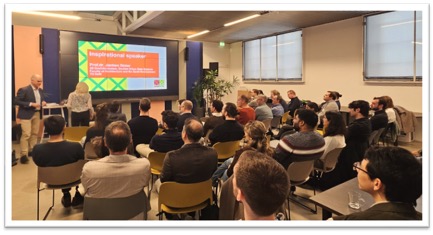
Figure 1: Prof. Bart van Arem opening the fourth XCARCITY Annual Design Session
The session marked an important step in the XCARCITY journey. Rather than discussing digital twins at a conceptual level, participants worked directly with emerging models and simulation results and reflected on how these tools can complement professional expertise in complex urban development processes.
From digital twin ambition to implementation
The day opened with an inspirational presentation from Prof. Jantien Stoter of TU Delft on the challenges of moving digital twins from a hopeful vision towards realistic implementation. Her key message was clear: digital twins are a means, not an end. Their value ultimately depends on whether they help practitioners address real-world problems.
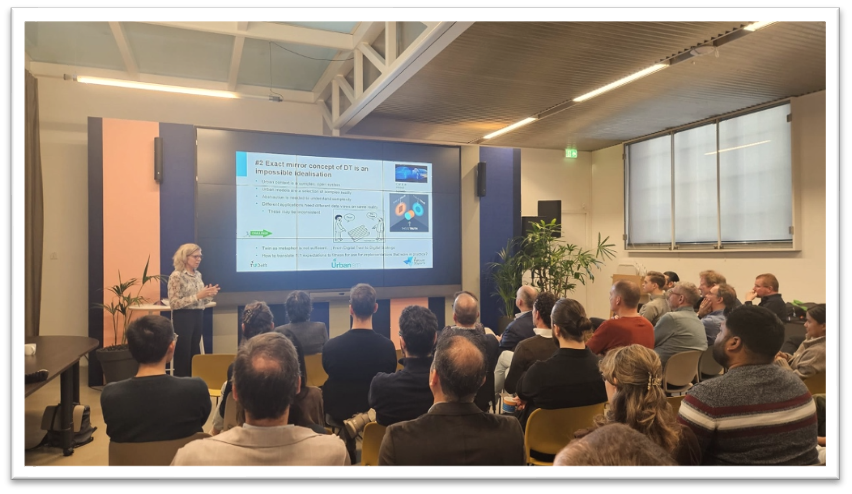
Figure 2: Prof. Jantien Stoter of TU Delft sharing her work on Digital Twins in practice
The presentation highlighted several practical challenges, including interoperability and data sharing, uncertainty in simulations, differences in data needs across applications and the limitations of treating a digital twin as an exact digital mirror of reality. A federated approach offers a promising way forward by connecting existing models, data and tools through common standards rather than attempting to create one centralised model.
XCARCITY researchers then demonstrated how this approach is being developed for the Zuidas and M4H use cases, including the ScenarioLab environment and models for assessing different aspects of mobility, accessibility and urban quality.
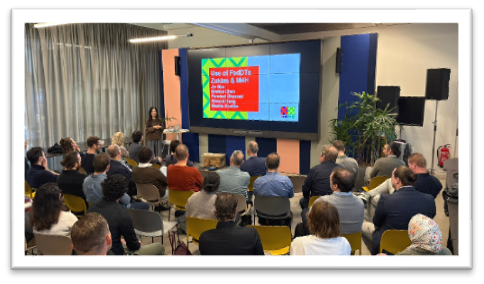
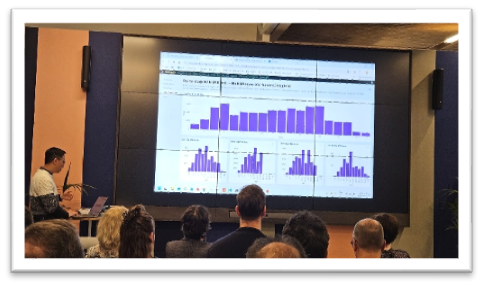
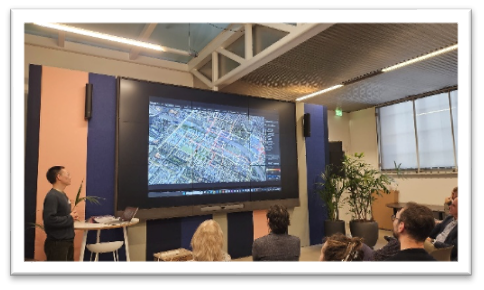
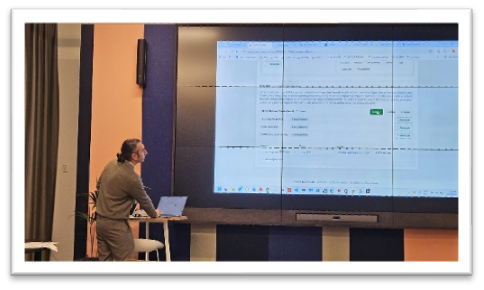
Figure 3: The Federated set of Digital Twins team (Jie Gao, Enshan Chen, Vincent Gong, Farnoud Ghasemi) presenting their work.
Zuidas: combining simulation evidence with design judgement
The morning interactive session focused on Amsterdam Zuidas, where continued growth needs to be balanced with accessibility, liveability and a transition towards walking, cycling and reduced car dependency.
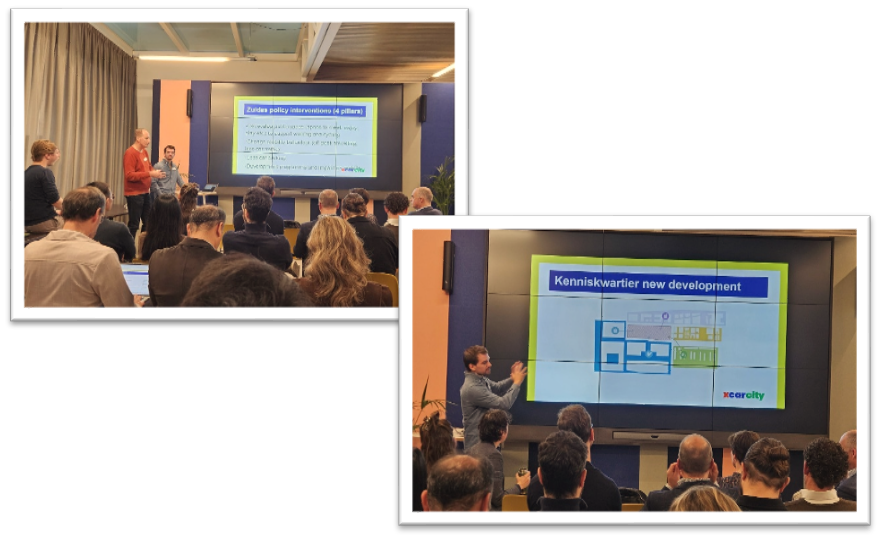
Figure 4 & 5: The Zuidas Team (Toine van Laere, Barry Ubbels ) reminding everyone of the Zuidas Challenge in XCARCITY
Participants explored three different spatial design alternatives and assessed them using indicators including pedestrian flows, sun, wind, noise, heat, pollution and visibility. Importantly, participants first applied their own expert judgement and were then able to compare their assessment with the simulation evidence generated by the Multi-Sensory digital twin.
.
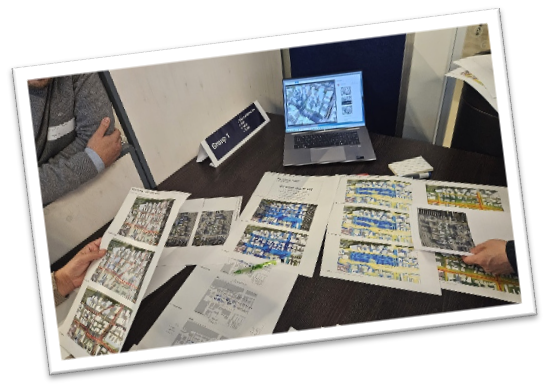
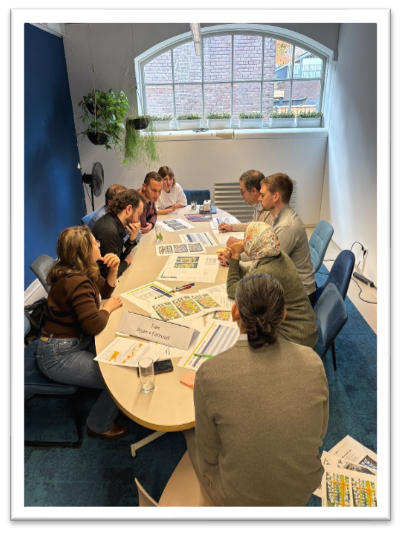
Figures 6 & 7: The ZUIDAS Interactive Session
This allowed the groups to explore a central question for the XCARCITY research: how can simulated evidence strengthen design judgement without replacing professional expertise and discussion?
The exercise also provided some clear insights into the value of Digital Twins within the Research by Design process. Participants found that the combination of data, modelling, analysis and visualisation was particularly useful for comparing design variants and discussing the trade-offs between them. The existing set of key performance indicators proved sufficient, with no additional indicators identified as necessary during the session.
Having design variants and their impacts calculated in advance also helped accelerate the design process, allowing participants to explore and check potential outcomes before making choices. Interestingly, participants generally preferred clear 2D representations over more complex 3D visualisations, reinforcing that the value of a Digital Twin lies not in visual sophistication itself, but in making relevant information understandable and usable within the design process.
M4H: exploring accessibility and future mobility demand
The afternoon turned to Rotterdam M4H, a major mixed-use development area that aims to combine substantial urban growth with a car-low mobility system.
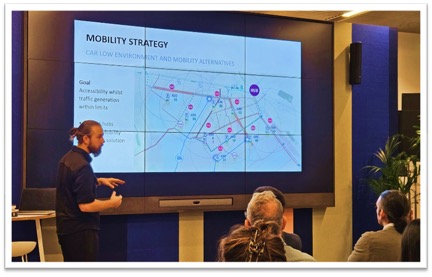
Figure 8: Vincent Joanknecht presenting the M4H challenge in the XCARCITY Programme.
Here, participants explored how changes in population, mobility hubs and parking provision could influence accessibility, travel behaviour, modal share and trip generation. The groups approached the challenge from three different perspectives: personas and accessibility, modal share, and trip generation.
Participants first considered what they expected to happen and then compared these expectations with modelled scenarios, including variations in population, the number of mobility hubs and parking capacity. This created a practical discussion around not only what the models tell us, but also where assumptions matter, how different groups experience accessibility differently and what information decision-makers need to trust and use simulation results.
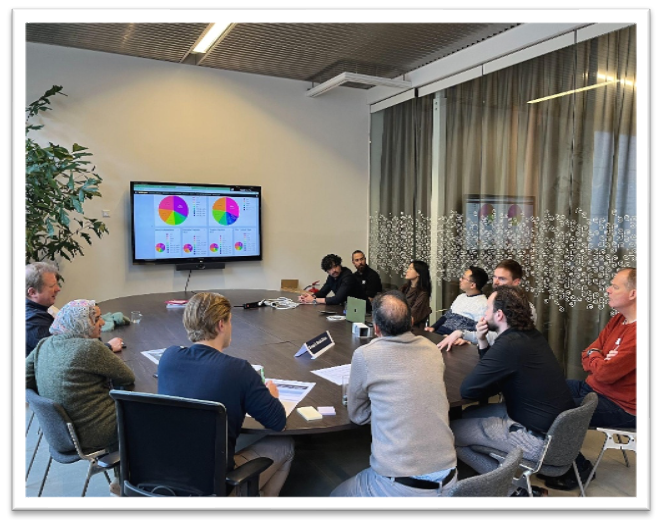
Figure 9: Interactive session: showing participants reviewing results on the screen, which visually reflects the purpose of the day!
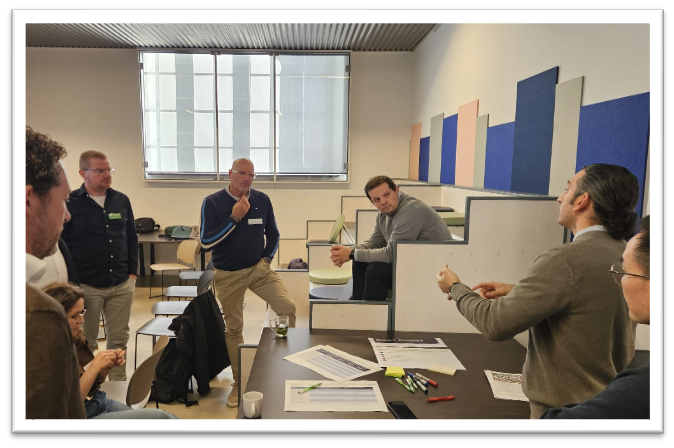
Figure 10: M4H interactive session – engaging about personas!
Digital twins as decision support, not the decision-maker
The final part of the day brought the discussion back to implementation. Patrick van Norden from MRDH reflected on the use of Federated Digital Twins within design and decision-making processes, placing particular emphasis on data-driven working and the importance of beginning with
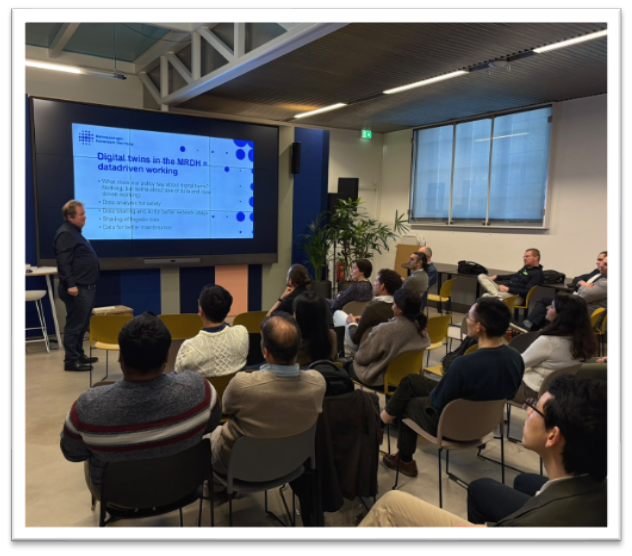
a clear practical need rather than developing tools for their own sake.
Figure 11: Patrick van Norden reflection on digital twins in practice
The sessions showed that data, model assumptions and simulation results can be openly questioned and debated, including their meaning, correctness and trustworthiness. Rather than being a weakness, this transparency is an important part of their value within Research by Design: it helps make assumptions explicit and identifies where data, models or design alternatives require further improvement and calibration.
In this sense, the Digital Twin does not replace the Research by Design process or professional judgement. It strengthens it. By enabling variants to be compared, assumptions to be tested and trade-offs to be discussed using a common evidence base, it can support a more iterative and transparent approach to designing and evaluating urban interventions.
A big thank you to all the speakers, facilitators, researchers and participants who contributed to another collaborative and insightful XCARCITY Design Session, and to Connekt for their generous hospitality and for hosting us for the day.
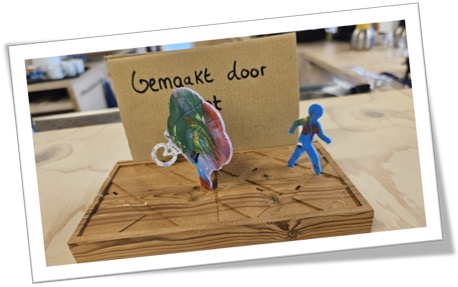
Figure 12: The XCARCITY Gift – with special mention of Stichting Stunt