Author: Yuxing Cheng
How can we use research by design methods to enhance real-world impact? This question was at the heart of the XCARCITY design session held on 24 November 2025 in Rotterdam, where practitioners from industry and public authorities joined researchers from leading knowledge institutes to advance the project’s impact plan. The session focused on the real-world challenges of low-car mobility in Amsterdam Zuidas and Merwe-Vierhavens (M4H).
The morning opened with Arjan van Binsbergen (TU Delft), who revisited the research-by-design methodology within XCARCITY. With a diverse set of criteria (KPI) and design alternatives now developed, today’s session played a crucial role in the next step: selecting and refining the most promising design options for the case-study areas.
To inspire the co-creation process, Kim Maas (Pon) delivered an engaging keynote showcasing Pon’s innovative work in sustainable mobility. A highlight was the “E-lympic” initiative, which positions mobility hubs as living labs to accelerate the transition from research insights to practical solutions. By sharing various successful cases, she underscored the core ingredients needed for successful mobility innovation.
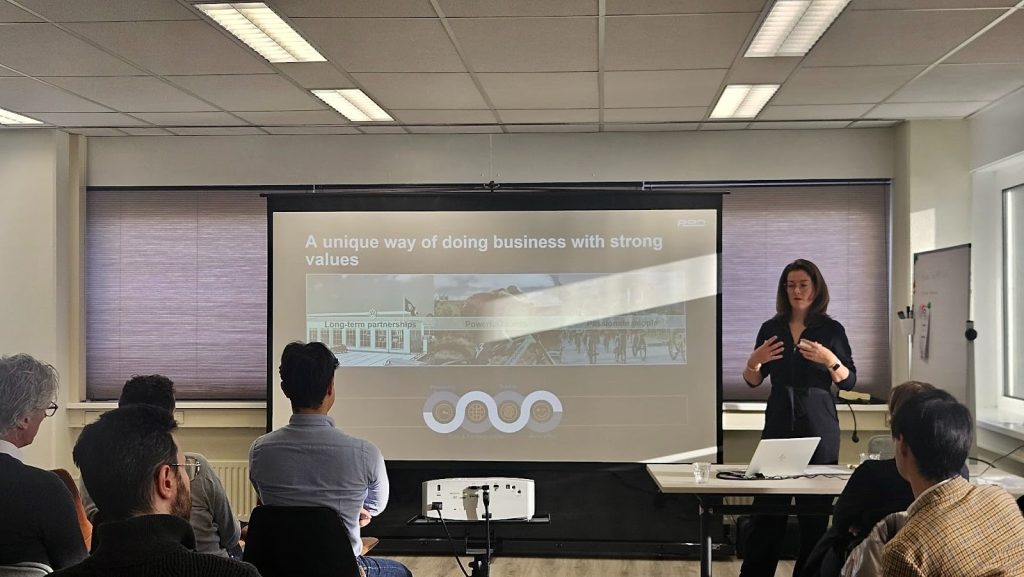
Figure: Kim Mass as inspiring speaker introducing business cases in mobility innovation
From the research side, Maaike Snelder (TU Delft) presented the Federated Digital Twin developed for Almere Pampus, along with the conclusions drawn from the model results. The finalized use case report was shared, offering valuable design support to a broad audience—including aldermen, policy advisors, urban designers, and transport modelers.
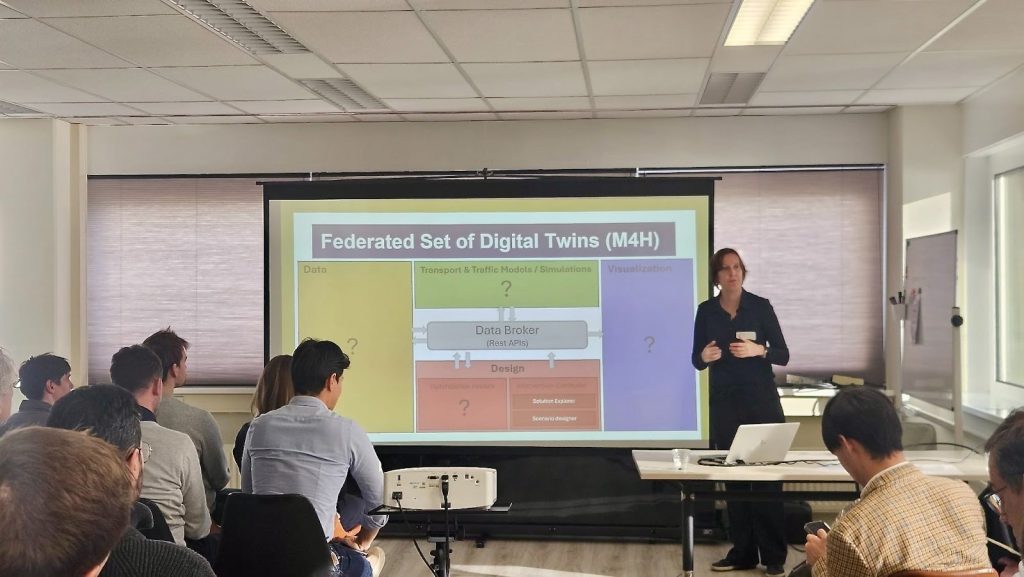
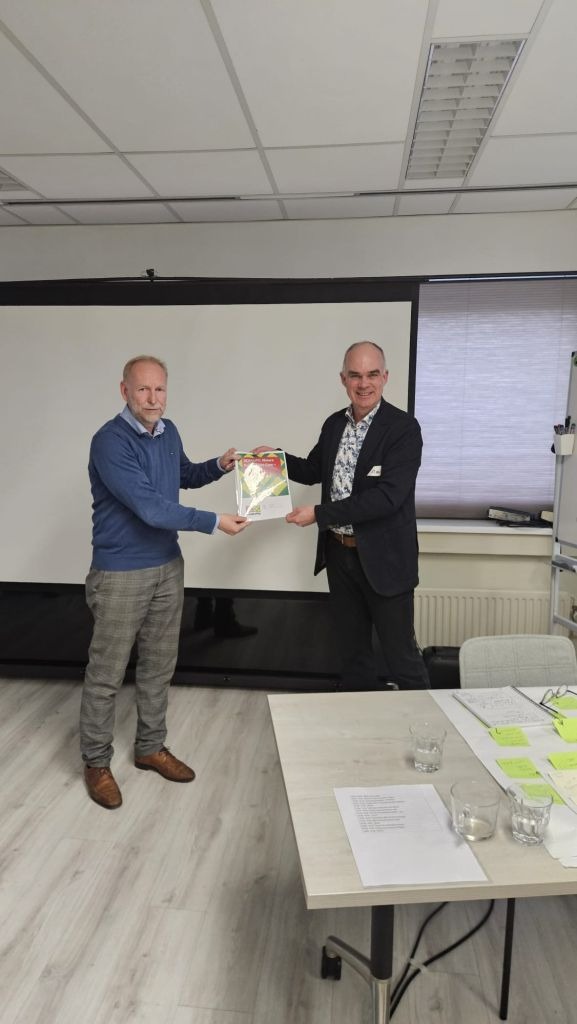
Figures: Maaike Snelder’s introduction on Federated Digital Twin framework for Almere Pampus(left); Bart van Arem hands over the official Almere Pampus report to Gerry Koning (right).
The two interactive sessions were started with Barry Ubbels (Amsterdam Zuidas) and Vincent Joanknecht (Rotterdam M4H), who provided updates on the current and future developments in their respective areas. Their presentations offered a grounded view of the opportunities and challenges of transitioning toward low-car mobility.

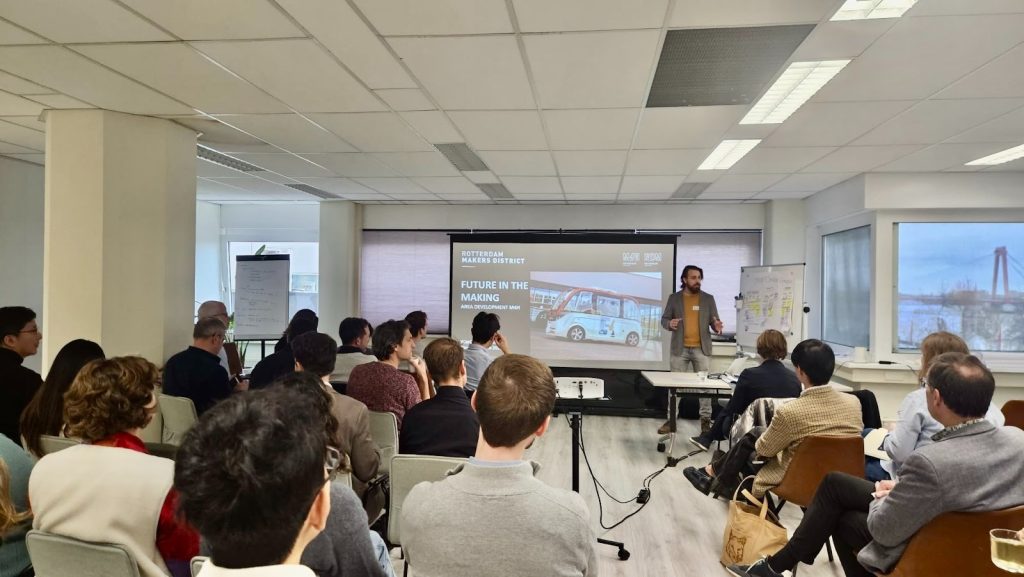
Figure: Introduction on Amsterdam Zuidas (by Barry Ubbels) and Rotterdam M4H (by Vincent Joanknecht).
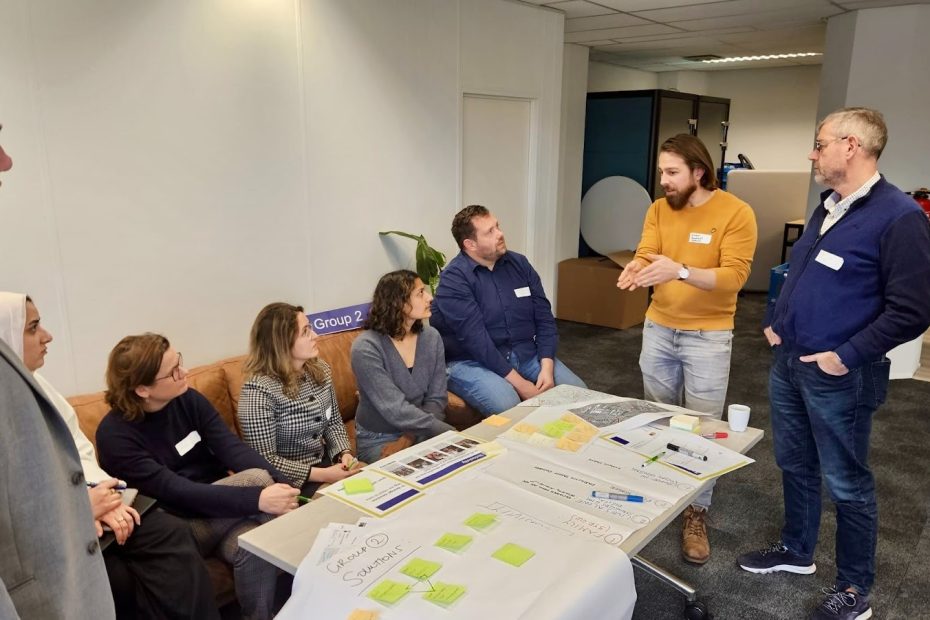
In the first session on the Amsterdam Zuidas case, participants split into breakout groups to discuss if tools- such as digital twins – can assist in evaluating and selecting from the available design options. The usability of the Solution Explorer, a pedestrian model, a predictive digital twin, and a conventional design approach were compared. Also, the groups discussed the completeness and usefulness of earlier defined criteria and key performance indicators in helping to guide a shared understanding of what constitutes “the best” design for each context.
For Rotterdam M4H, the discussion centered on how appropriate tools and criteria can help refine the long-term mobility design for the area? Participants engaged in roundtable discussions on specific topics, including last-mile connectivity, inclusive mobility solutions, adaptability of the mobility system, and innovation opportunities in and around transport hubs. These conversations helped identify how the design alternatives could be deployed to shape the next phases of the M4H mobility vision.

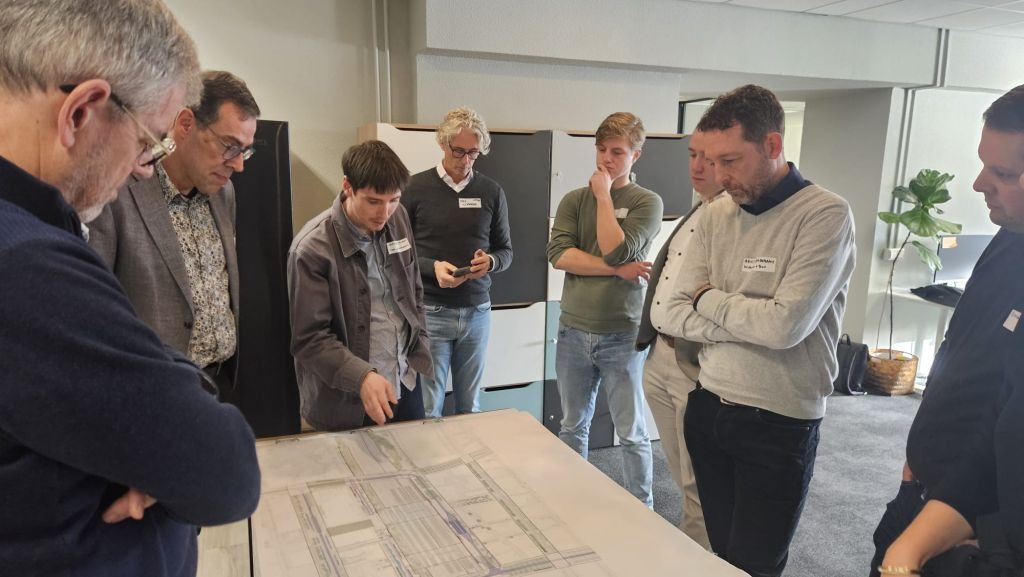
Figure: Interactive sessions – “The groups in action”
Report Link: https://xcarcity.nl/wp-content/uploads/XCARCITY_Report_DesignSession3.pdf