Author: Carla Robb
On the 17th of March, the XCARCITY consortium gathered in Rotterdam for a full programme combining field exploration, inspiring perspectives on mobility behaviour, deep dives into our growing ecosystem of digital twins, and an interactive working session designed to translate research outcomes into practical applications. It was a day that highlighted how far we’ve come and how much potential lies ahead as we accelerate toward our upcoming design sessions.
Starting the Day at Hofplein: Exploring the ‘Hofplein Challenge’
The meeting opened with a site visit to the Hofplein redevelopment area, hosted by BAM Infra and the Municipality of Rotterdam. Participants received an introduction to the Hofplein Challenge, a real‑world design and mobility puzzle centred on pedestrian movement, safety, traffic flow, and future-proof urban space. Rotterdam’s team presented the envisioned design for the area and the ambitions underlying the transformation. The Hofplein challenge formed the centre of the site visit, where groups of 3 set out on site and answered a number of challenging questions about the Hofplein design.
The visit set the energised tone for a day bringing together lived urban environments, behavioural insights, and digital decision-support tools.
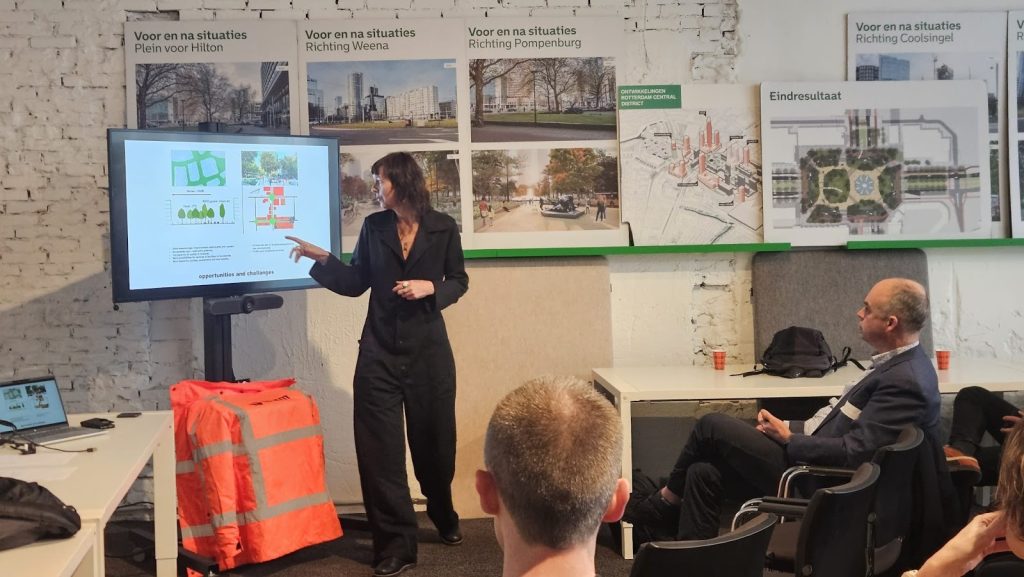
Figure 1: Introduction by Iris van der Lee from Rotterdam
Inspirational Talk: Shifting Behaviour, Not Just Infrastructure
At 11:00 the official programme began, the consortium welcomed Nico Vierhout, co-founder of Toertje, whose mission “Cities don’t need smarter cars; they need smarter travellers” resonated strongly with the XCARCITY philosophy. Nico spoke about behaviour change at scale, habit formation, and the power of gamification to shift everyday mobility choices. His examples included the ReisWijs app, BikeBus pilots, and ongoing collaborations with provinces and cities across the Netherlands that demonstrate how nudges, feedback loops, and real-time insights can meaningfully reduce congestion and increase cycling uptake.
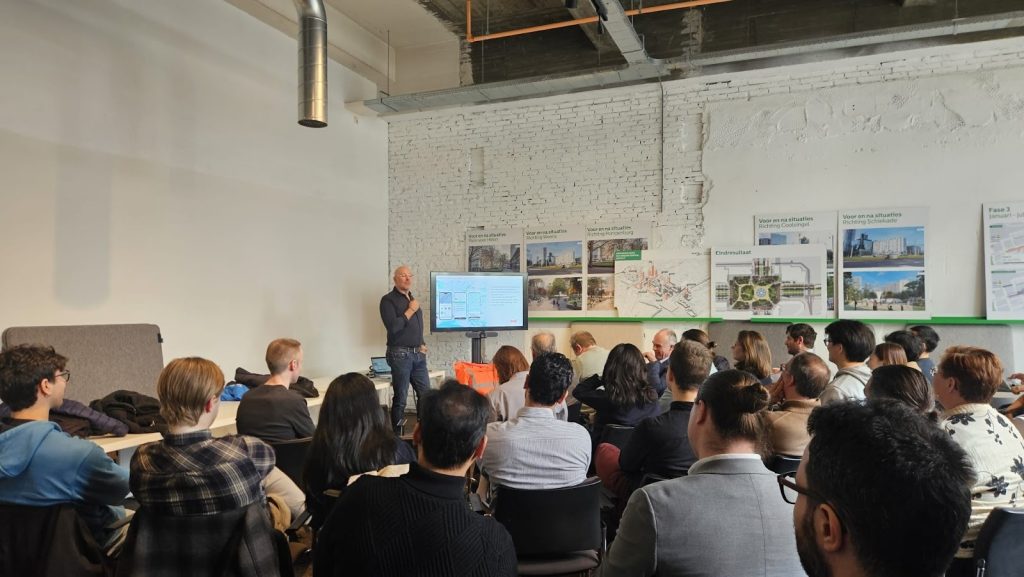
Figure 2: Nico Vierhout from Toertje
Programme Update: Progress, Challenges, and the Road Ahead
Next, program leader Bart van Arem delivered a programme update summarising the progress across all work packages and the Digital Twin Federation (DTF) trajectory.
Key highlights included:
- The Federated Digital Twins for Almere Pampus have been completed; work on the Zuidas and Merwe‑Vierhavens federations is advancing rapidly.
- Most PhD candidates successfully passed their second‑year progress meetings, with clear research directions and modelling needs identified.
- 2026 will be a critical year as resources for the DTF begin to diminish, requiring broader partner participation and renewed commitment to utilisation.
- New researchers and postdocs have joined the team, strengthening WP6 and WP7 efforts in design and utilisation.
- A XCARCITY story was developed, as an accessible way of communicating the impact pathway of the project and inviting researchers and partners from the project to imagine themselves to be part of the story. The story also provides the basis for an interactive XCARCITY board game.
Bart also highlighted the need for increased in-kind contributions from partners, as under‑reporting and a shift in commitments have created a substantial gap that will require attention before the next programme checkpoints.
Midday Research Update: Overview of Results to Date
Following lunch, the XCARCITY researchers presented their progress through a shared storyline rather than separate pitches. They began with concrete interventions; optimising pedestrian flows, improving perceived cycling safety, reallocating road space dynamically, and looked at the concept of crowd-sourced delivery. The consortium then explored the effects of these measures, such as how different age and income groups experience low‑car policies. Sensor networks were discussed as the backbone for collecting the data needed for these analyses. While all the data is very valuable, the privacy of people cannot be forgotten.
All these elements ultimately feed into the digital twins used for studying the user experience across mobility modes and for testing scenarios in Use Cases Zuidas and M4H. Taken together, the work of the researchers shows how each topic is a piece of the broader puzzle of shaping the cities of the future.
Main topics:
- Improving active mobility – modelling pedestrian flow optimisation and perceived cycling safety, including an upcoming real‑world cycling experiment.
- Smarter use of scarce street space – identifying underused car lanes and reallocating them to bikes or buses with minimal impact on car travel.
- New urban logistics concepts – exploring crowd‑sourced parcel delivery through agent‑based simulations to reduce pressure on streets.
- Equity and social impact – analysing how low‑car interventions affect different age and income groups across Dutch case studies.
- Data, sensing, and privacy – designing sensor networks for air quality and pedestrian flows while ensuring privacy‑preserving crowd monitoring.
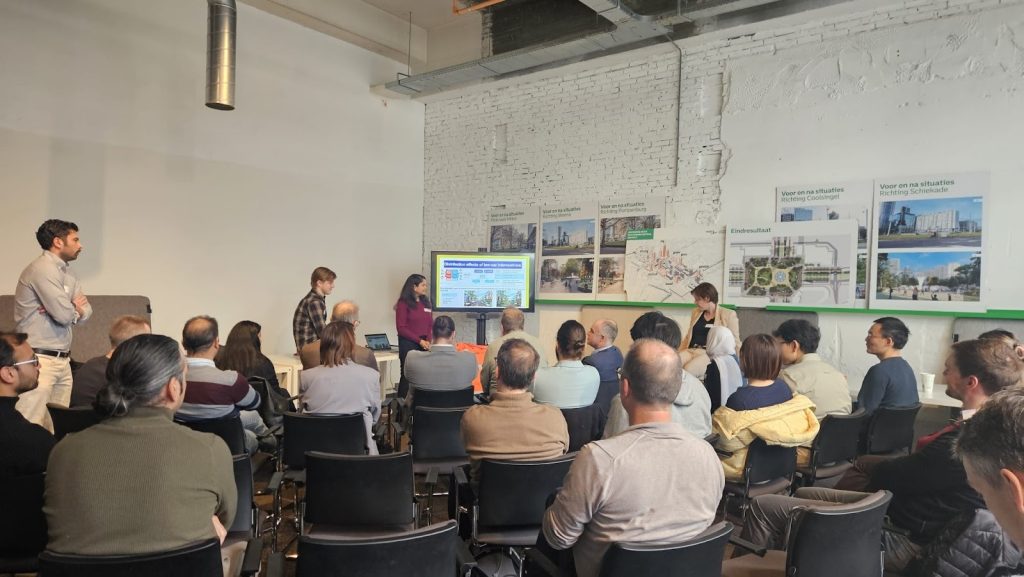
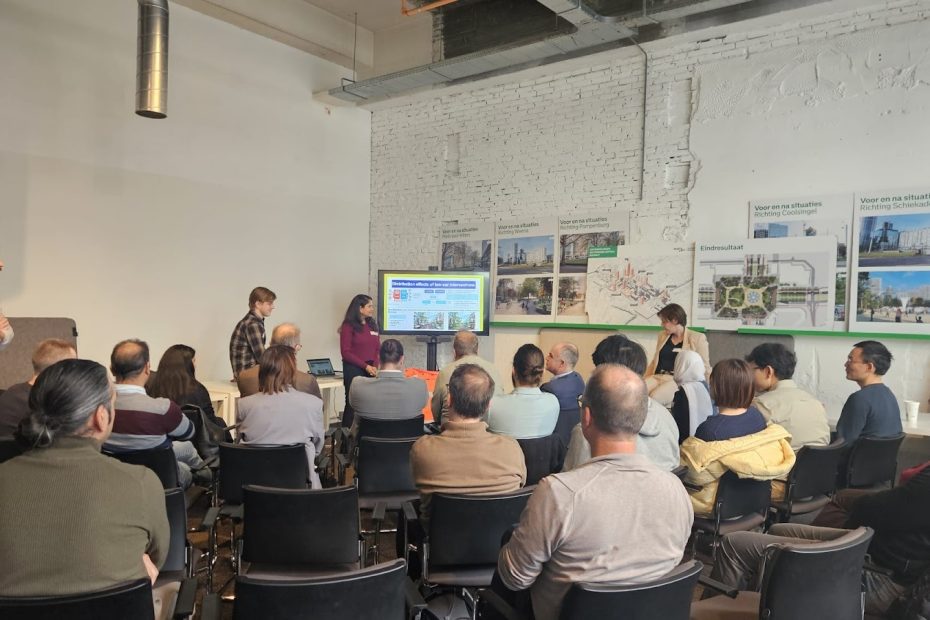
Figure 3: Researchers showcasing their work
Showcasing the Digital Twin Federation
The early afternoon focused on live demonstrations of the Digital Twin Federation ecosystem.
Presentations included:
- Ali Nadi set the scene, showcasing XCARCITY’s modelling framework;
- Erwin Walraven, from TNO, demonstrated the car ownership model and highlighted insights into car dependency;
- Farnoud Ghasemi, one of the postdocs from TU Delft, showcased his in-development behavioral demand model for M4H in Rotterdam, with a key focus on activity-based modelling;
- Ali Nadi, from TNO, shifted across to the Zuidas use case and share the pedestrian modelling approach developed in the programme and its potential use;
- The demonstrations ended with Enshan Chen, the postdoc from TU Delft, focusing on Zuidas, who is bringing together the federated set of digital twins with a unified interface for district‑level and building‑level assessments and qualitative indicators
These demos showcased how federated models now integrate behavioural demand modelling, traffic simulation, pedestrian flows, and environmental qualities supporting evidence‑based design choices at multiple spatial scales.
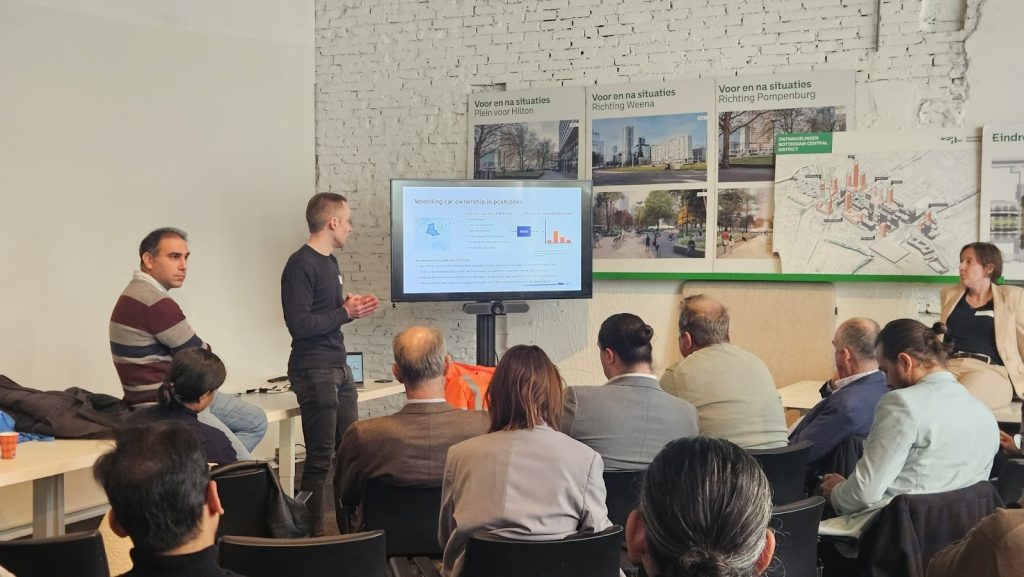
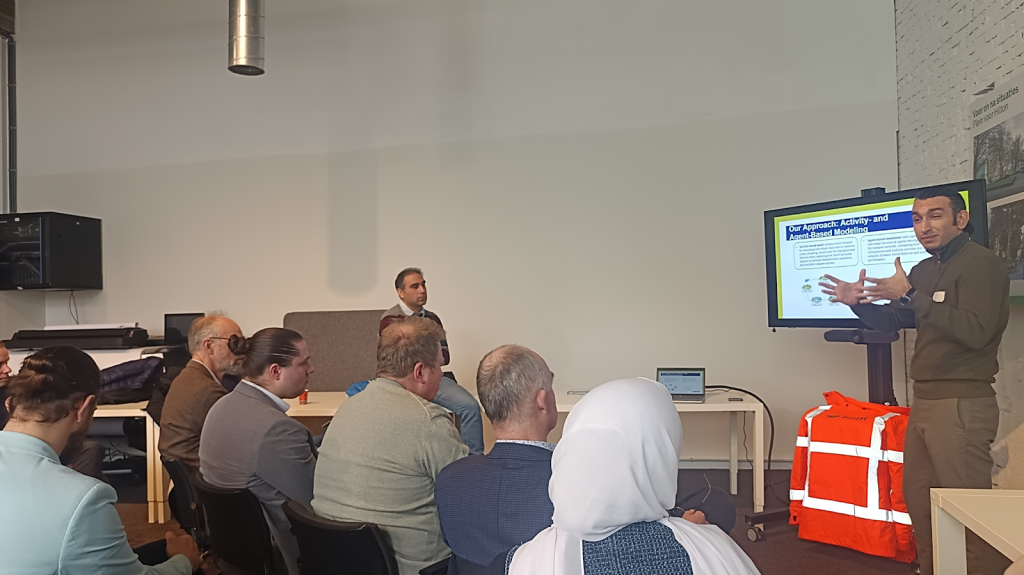
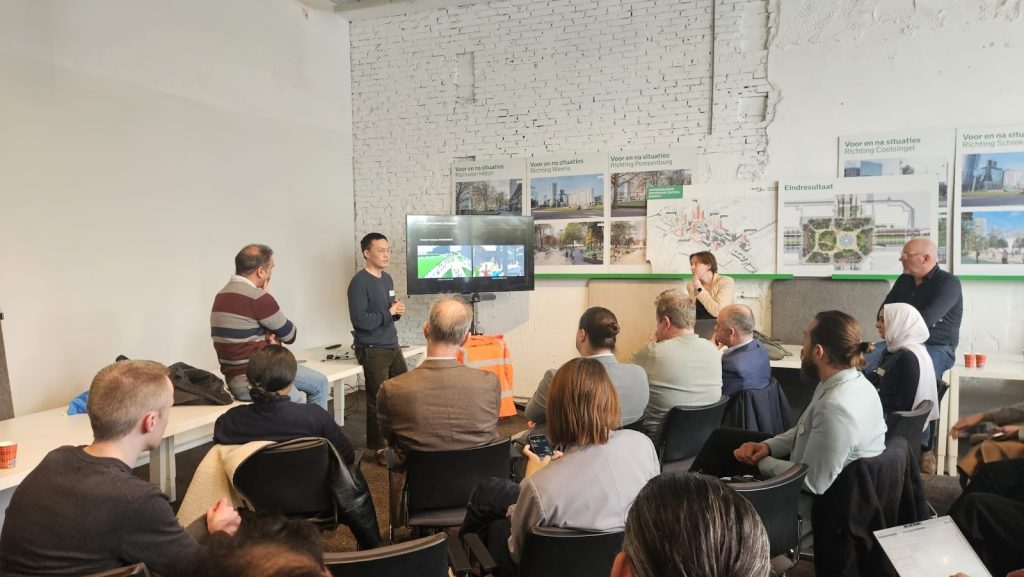
Figure 4: Demonstration of Car Ownership Model and Federated set of Digital Twins
Interactive Session: Turning Insights into Impact
The final major session of the day was an interactive Knowledge Transfer Moments (KTM) workshop led by Jennifer Faber and Carla Robb.
Participants broke into five groups and role played representing the key organisations within the programme namely government organisations, area developers, mobility providers, IT/traffic management, and consultancy. The session focused on XCARCITY’s Impact Plan and the taking a deeper look at the insights achieved to date and how these could be utilised in practice. This session underscored a central theme: research gains value only when it is transferred, adopted, and used by partners in real contexts.
Closing Reflections
Maaike Snelder closed the session and outlined some of the next steps for 2026 and 2027, including:
- The upcoming Design Session (end of October 2026)
- Strengthening the integration of models across the Digital Twin Federation
- Preparing for broader dissemination, including an accessible booklet synthesising research insights
- Scheduling bilateral meetings on in-kind contributions and utilisation planning
The day concluded with a borrel, giving partners and researchers time to connect informally and continue discussions sparked throughout the sessions.
A day defined by collaboration and momentum
Across site visits, demos, talks, and interactive work, today’s consortium meeting highlighted the strong collective foundation we have built and the shared responsibility we hold to make XCARCITY’s outputs truly impactful.
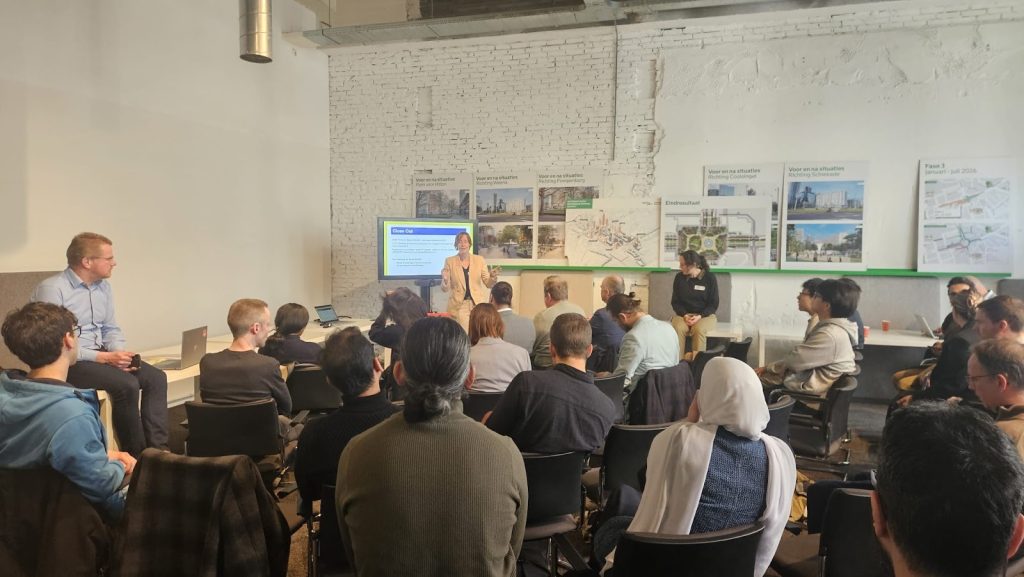
Figure 5: Maaike Snelder closing the day